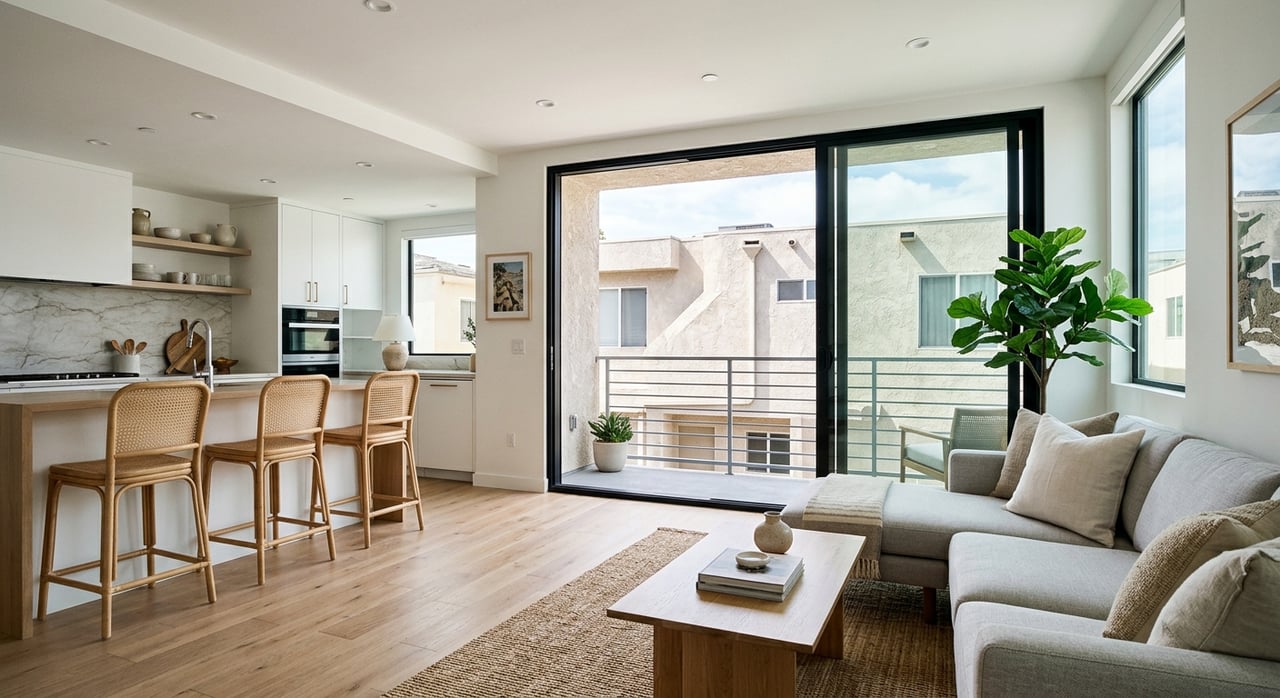
Buying a condo in Pacific Beach can feel exciting and complicated at the same time. You may love the idea of living near the ocean or bay, but the right purchase here depends on more than the view or the square footage. If you are considering a Pacific Beach condo, you need to understand how location, parking, HOA health, and building type can shape both your lifestyle and your monthly costs. Let’s dive in.
Pacific Beach Condo Market Snapshot
Pacific Beach is a built-out coastal neighborhood, which means there is limited vacant land and a housing market shaped by existing buildings rather than large new developments. As of spring 2026, Realtor.com reported a median listing price of $1.25M for the neighborhood overall.
For condos specifically, Redfin showed 45 condos for sale in Pacific Beach, with a median listing price of $749K and a median of 52 days on market. Redfin also describes Pacific Beach as very walkable, with some transit and strong bikeability.
That combination helps explain why condos remain popular here. You are often buying not just a home, but also access to a coastal lifestyle where walkability, proximity to the beach or bay, and convenience all play a major role.
Pacific Beach Buildings Vary More Than You Think
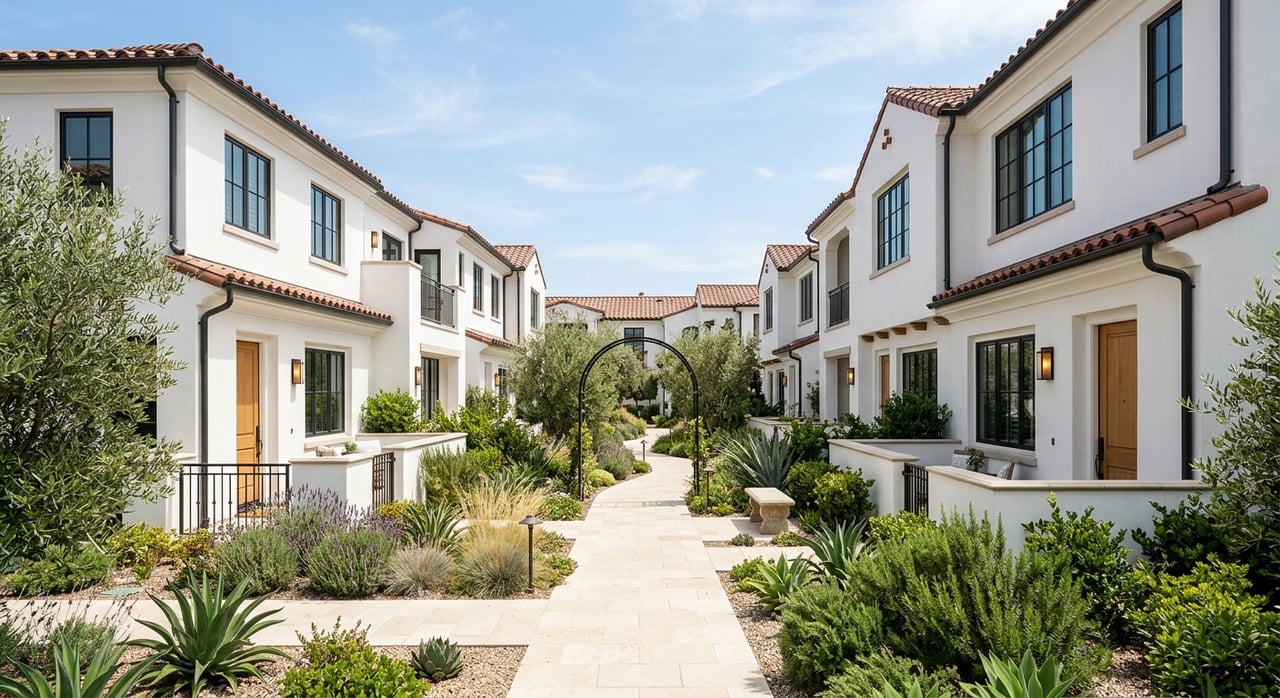
A “Pacific Beach condo” is not one single product type. Official city planning documents show a neighborhood with a mix of low-rise residential forms, including older walk-up buildings, small conversions, compact multi-unit projects, and newer infill attached homes.
Pacific Beach is also largely built out. According to the community plan, 88% of the acreage is residential, with 61% designated single-family and 39% multifamily, and there are few vacant parcels available.
That matters because the building you choose can affect your ownership experience just as much as the unit itself. An older small project may have different reserve needs, parking layouts, and common-area upkeep than a newer purpose-built condo development.
Compare Ocean, Bay, and Inland Locations
Location within Pacific Beach can create very different tradeoffs. The city’s planning materials place different density types in different parts of the neighborhood, including areas closer to the beach and bay, corridors along Sail Bay, Grand Avenue, Hornblend Street, and Lamont Street, and higher-density multi-unit areas.
For you as a buyer, that means it is smart to compare not just addresses, but also setting and building context. A condo near the ocean may offer quicker beach access, while a property near Sail Bay or farther inland may feel different in terms of traffic flow, parking, and daily activity.
Expect Mostly Low-Rise Buildings
Pacific Beach sits within San Diego’s coastal height-limit area. The City of San Diego says the coastal zone between the Pacific Ocean and Interstate 5 is limited to 30 feet in building height.
In practical terms, buyers should generally expect low-rise coastal buildings rather than tower-style condos, especially near the shoreline. The community plan also encourages features such as pitched roofs, offset planes, and design details that reduce bulk and better fit the street.
HOA Documents Need Careful Review
If you are buying a condo in Pacific Beach, the HOA review is one of the most important parts of your due diligence. California law requires the seller of a condo or other common-interest property to provide governing documents, the most recent HOA budget and reserve materials, a written statement of current regular and special assessments and any unpaid amounts, unresolved violation notices, and, if requested, board minutes from the prior 12 months.
Those documents can tell you a lot about the health of the building and the stability of your future costs. Monthly dues are only one piece of the picture.
Look Beyond Monthly Dues
An HOA budget report must include reserve calculations, any long-term association loans, a summary of the association’s insurance policies, and the project’s FHA certification status for condominiums. That gives you a clearer look at whether the association is planning responsibly for repairs and ongoing maintenance.
A weak reserve position is not always a deal-breaker, but it should prompt more questions. It may point to deferred repairs, future special assessments, or financial strain within the project.
Key HOA Questions to Ask
Before you move forward, ask questions that help you understand the real cost of ownership.
- What do the monthly dues cover?
- How much is being set aside for reserves?
- Are any special assessments pending?
- Are major repairs being deferred?
- Are there unresolved rule violations or repair issues?
- Are there rental or leasing restrictions in the governing documents?
- Is the project FHA-certified if you may use that financing option?
- Do the board minutes mention litigation, major repairs, or recurring building concerns?
Insurance Matters Too
California HOA disclosure law states that the association’s policy may not cover your personal property or improvements around the dwelling. That means you should not assume the HOA’s insurance fully protects your interior belongings or upgrades.
Review the insurance summary carefully so you understand what the association covers and what you may need to cover separately. This is an easy area to overlook when you are focused on price and location.
Parking Can Change Your Daily Experience
In Pacific Beach, parking is not a minor detail. It can shape how easy your day-to-day life feels once the excitement of closing wears off.
The City of San Diego’s beach guide says parking is a challenge throughout the neighborhood. It points to the Tourmaline Street lot, side roads north of the pier, and scattered paid lots as some of the better parking options, while the central stretch near Crystal Pier to Pacific Beach Drive has bathrooms and some dedicated parking pockets near Grand Avenue and Pacific Beach Drive.
The city’s planning materials also note that traffic congestion worsens during holidays and summer months, and that parking is not sufficient in some areas during those periods. Streets can also be affected by on-street parking from recreational vehicles and boats.
A 2025 city parking-demand presentation noted that Pacific Beach had the highest average parking occupancy of all community planning districts. For condo buyers, that is a strong reminder to study the actual parking setup before making an offer.
What to Check About Parking
A condo with assigned parking can feel very different from one that depends partly on street parking. Guest parking can also matter more than you expect.
As you compare properties, look closely at:
- Whether the unit has assigned parking
- Whether the parking is tandem, uncovered, garage-based, or alley-access
- Whether guests have any practical parking options
- How easy it is to enter and exit during busy times
- Whether nearby street conditions may add friction on weekends or in summer
Beach Access Comes With Tradeoffs
One reason buyers love Pacific Beach is easy access to the coastline. But the closer you get to the sand, the more important it becomes to think about what daily life will feel like beyond the photos.
City guidance describes North Pacific Beach, from Tourmaline to Crystal Pier, as a stretch many families tend to prefer, while the central boardwalk area is busier. That can translate into a meaningful lifestyle difference depending on what you want from your condo.
If you value quick walks to the water and high walkability, a beach-adjacent location may be a strong fit. If you prefer less congestion or easier guest access, a bay-side or slightly inland location may deserve a closer look.
Public beach rules also matter. The city prohibits overnight camping, sleeping, or parking on beaches, cliffs, walkways, park areas, and adjacent parking lots, so nearby ownership does not automatically solve parking for guests, visitors, or short stays.
Review Disclosures With Extra Attention
California Department of Real Estate guidance recommends deciding early what matters most to you, including location, proximity to services, and whether there are special taxes, assessments, or HOA dues that will affect your monthly expenses. It also recommends a thorough inspection of electrical, plumbing, and structural conditions and careful review of offer contingencies before signing.
In Pacific Beach, disclosures deserve extra attention because two condos a few blocks apart may come with very different building conditions, rules, and hazard information.
Check Natural Hazard Disclosures by Address
California law requires disclosure of certain hazard zones, including flood, earthquake fault, seismic, and wildfire-related zones. The state disclosure form also warns that these hazards may affect development, insurance, or disaster assistance.
The key point is that hazard designations are parcel-specific. You should review the disclosure packet for the exact condo address rather than assume every Pacific Beach property carries the same risk profile.
Know the Rules if You Plan to Rent
If you are thinking about renting out the condo, do not assume every building or location works the same way. Your plans need to align with both city rules and HOA rules.
San Diego requires a short-term residential occupancy license for stays under one month. The city also states that a host may hold only one license at a time, and licenses are not transferable between owners or property locations.
California HOA law also requires the seller to disclose whether the project prohibits rentals or leasing. So if rental flexibility matters to you, make that part of your review from the very beginning.
A Smart Pacific Beach Condo Purchase Starts With the Building
It is easy to fall for a great kitchen, a peek view, or a short walk to the water. In Pacific Beach, though, a smart condo purchase usually comes down to the full picture: building type, HOA health, parking setup, exact location, rental rules, and hazard disclosures.
When you look at those pieces together, you can better judge whether a condo truly fits your budget, your goals, and the kind of coastal lifestyle you want. If you want help comparing Pacific Beach condos with a clear, building-specific strategy, connect with The Joseph Realty Team.
FAQs
What should you review before buying a Pacific Beach condo?
- You should review the HOA documents, reserve materials, monthly dues, special assessments, parking setup, building type, rental rules, inspections, and natural hazard disclosures for the specific property.
How much do Pacific Beach condos cost in 2026?
- As of spring 2026, Redfin showed Pacific Beach condos with a median listing price of $749K, while Realtor.com reported a $1.25M median listing price for the neighborhood overall.
Why is parking important when buying a Pacific Beach condo?
- Parking is important because Pacific Beach experiences heavy demand, especially during summer and holidays, and the city has identified the area as having very high parking occupancy.
Do Pacific Beach condo HOAs have to provide financial documents?
- Yes. California law requires sellers of common-interest properties to provide HOA governing documents, budget and reserve materials, assessment information, and other disclosures.
Can you use a Pacific Beach condo as a short-term rental?
- You may need both city approval and HOA permission, because San Diego requires a short-term residential occupancy license for stays under one month and HOA governing documents may restrict rentals or leasing.
Are all Pacific Beach condos in the same hazard zones?
- No. Hazard disclosures are specific to the parcel, so you should review the disclosure packet for the exact condo address you are considering.