Thinking about listing your Encinitas home in the next year? Coastal buyers love yards that look fresh, feel usable, and do not waste water. With a few smart updates, you can boost curb appeal, lower outdoor water use, and show buyers a landscape that fits our shoreline climate. This guide walks you through proven design moves, plant picks, and timing that work in Encinitas’ coastal microclimate so your yard is market ready. Let’s dive in.
Why water-wise matters in Encinitas
Encinitas has a Mediterranean climate with mild, wet winters and warm, dry summers. Coastal microclimates add frequent marine layer and onshore winds. Annual rainfall along the coast sits roughly in the 10 to 12 inch range, so landscapes need drought-adapted plants and efficient irrigation.
Regional water agencies continue to emphasize cutting outdoor potable water use. That is why turf reduction, irrigation upgrades, and water-capture measures are common focus areas. Program details and funding change, so you will want to verify current incentives with your local water provider before starting.
For resale, buyers value low-water, low-maintenance yards that look intentional. Thoughtful designs preserve views, create usable outdoor rooms, and keep maintenance simple. You can reduce water use without removing every bit of green.
Design that boosts curb appeal
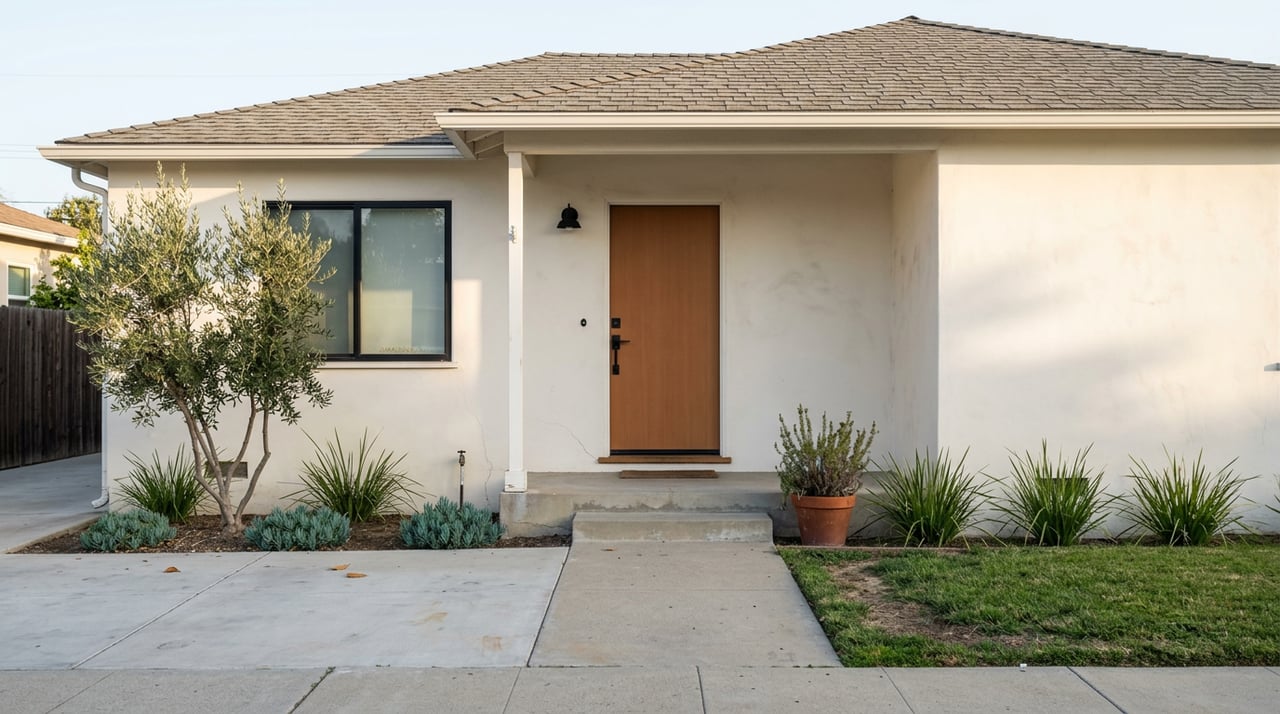
Your goal before listing is high visual impact with modest effort. Start by removing dead growth, pruning for shape, and cleaning hardscape. Add fresh, uniform mulch and edge beds for crisp lines. Replace any tired focal plants near the entry with healthy, drought-tolerant specimens.
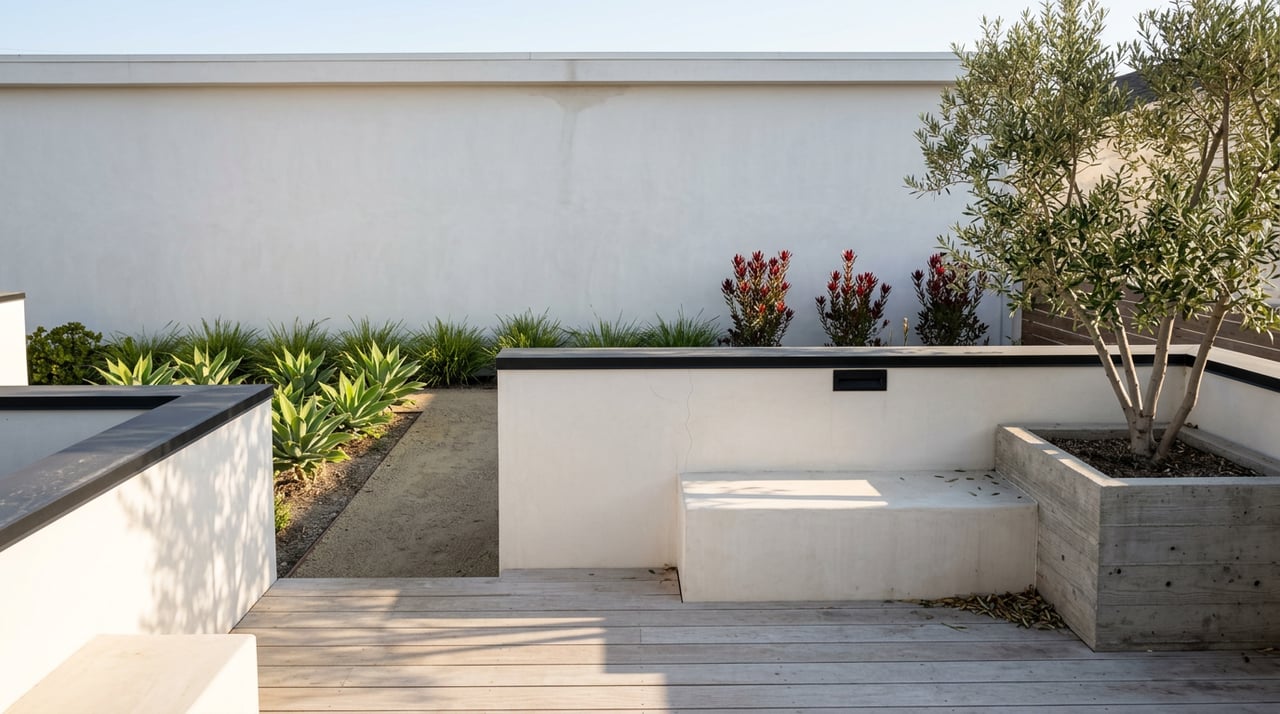
Balance reduced turf with function. Keep small, practical turf zones or consider synthetic turf in high-use areas, while converting the rest to beds, gravel paths, or seating nooks. Use low-growing plants toward the seaward side to preserve ocean sightlines. Place specimen trees away from primary views.
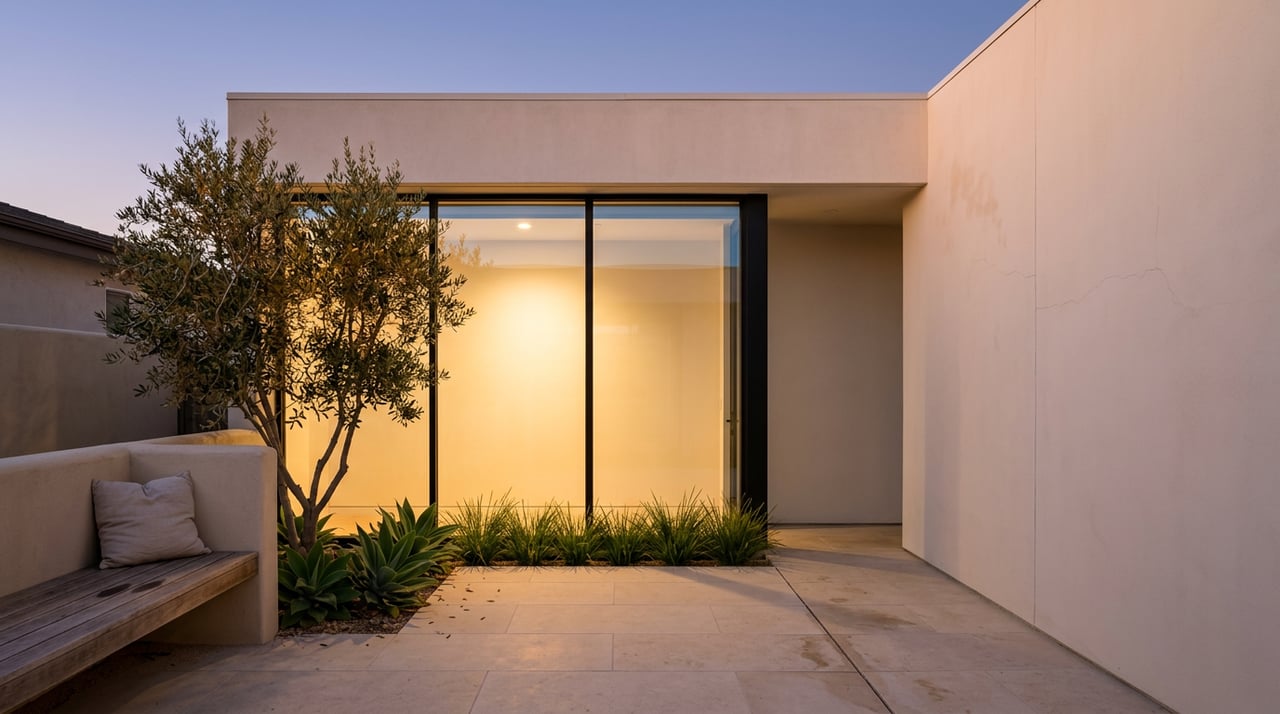
Create defined outdoor rooms with gravel paths, low hedges, or decomposed granite pads. Choose materials that age well in salt air such as natural stone, permeable pavers with sand joints, decomposed granite, metal edging, and durable mulches. Low-voltage or solar accent lighting elevates nighttime curb appeal and perceived safety.
Plant picks for coastal yards
Select plants for salt tolerance, drought performance after establishment, wind resistance, and easy care. Favor structure and texture over short-lived color bursts. Always confirm local availability and avoid invasive species.
- Low shrubs and foundation choices: California lilac (Ceanothus cultivars), coastal rosemary and rosemary selections, manzanita cultivars suited to coastal conditions, and Toyon in limited, managed use.
- Coastal sages and aromatics: California sagebrush and native sages, including Cleveland sage, offer movement, scent, and pollinator interest without heavy water needs.
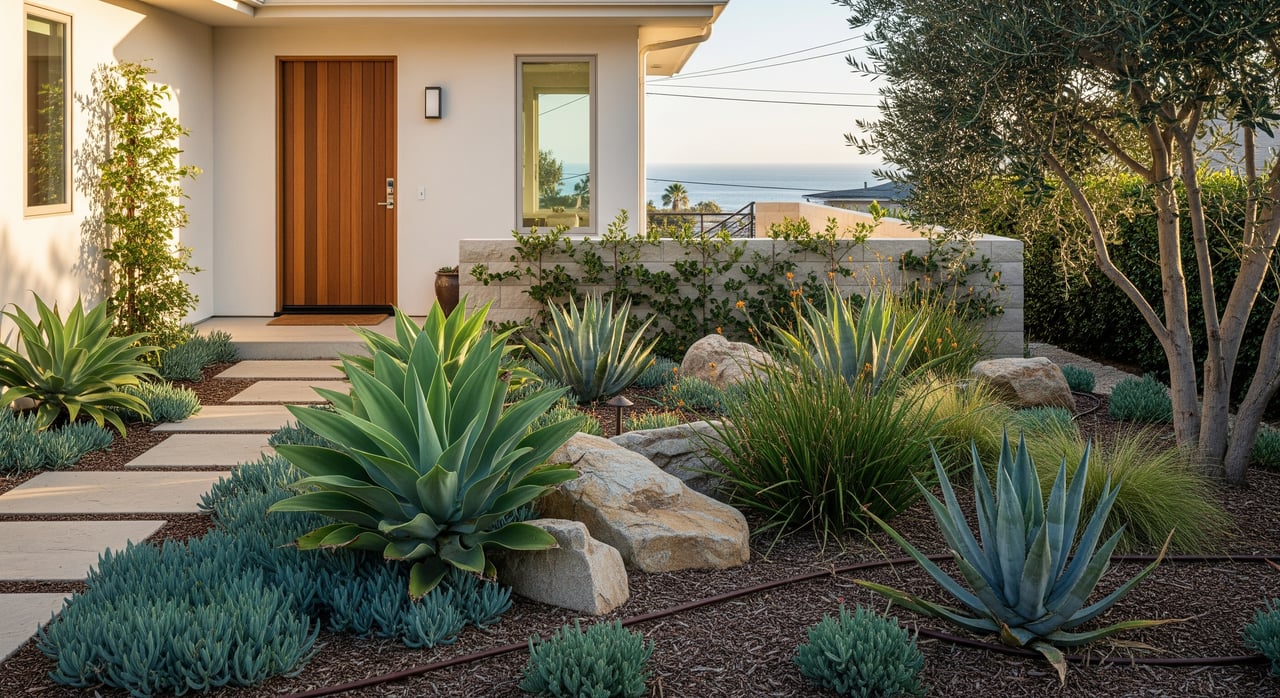
- Succulents for structure: Agaves, aloes, aeoniums, dudleyas, and echeverias add architectural form. Use care with larger agaves and spines, especially near walkways.
- Grasses for texture: Deer grass and blue fescue in protected spots bring soft movement. Avoid ornamental grasses flagged as invasive in San Diego County.
- Groundcovers: Dymondia and select prostrate native forms can knit areas together and help with erosion control without high water demands.
- Accent trees: Consider western redbud in protected pockets, select citrus in favorable microclimates, or olives used sparingly and sited to avoid view blockage and root conflicts.
Avoid high-water tropicals and fast-growing, view-blocking trees. Place new plants with mature scale in mind so buyers see a tidy yard and clear sightlines.
Mulch, soil, and rock that work
Healthy soil helps plants thrive with less water. Incorporate compost where you need to improve structure, but avoid heavy amendments that trap too much moisture in dryland beds. Succulents require well-draining soils.
Mulch with coarse wood chips in planted areas to retain moisture and suppress weeds. For a modern look or high-traffic zones, use decomposed granite or gravel. A fresh, even layer of mulch offers a big curb-appeal lift for a small cost.
Smarter irrigation and water capture
Retrofitting beds to drip irrigation is one of the most effective upgrades. Use pressure regulators and match emitters to plant needs. Group plants into hydrozones based on sun, shade, and water requirements so you do not overwater some areas while underwatering others.
Install a weather-based smart controller and consider soil moisture sensors. These tools adjust schedules for seasonal changes and marine layer conditions, which helps prevent waste. Do a quick irrigation audit to find leaks, broken emitters, and overspray, then fix and reschedule.
Rain barrels and cisterns can supplement irrigation. Placement, sizing, and permitting vary, so confirm rules with the city and your water district. Greywater options like laundry-to-landscape are allowed under state code in many cases, but larger systems may require permits and professional installation.
When refreshing hardscape, choose permeable surfaces and consider small infiltration features such as bioswales to reduce runoff. Properties near beaches and coastal bluffs may need extra care around drainage and erosion management, so check local stormwater rules.
Permits, HOAs, and coastal rules
Small planting changes usually do not require a permit. Larger projects such as hardscape replacements, grading, retaining walls, or any coastal development work often do. If your home sits in the coastal zone or on a bluff, consult the City of Encinitas planning and building departments, and be aware of California Coastal Commission processes where applicable.
Always review your HOA CC&Rs before removing turf or making visible changes to the front yard. Document your improvements through before-and-after photos. That record can help you and future buyers understand what was done and why.
Rebates: how to verify and apply
Rebate offerings change, so start by identifying your retail water provider from your bill. Then check that agency’s conservation or rebate page for current programs and requirements. Regional organizations like the San Diego County Water Authority and the Metropolitan Water District of Southern California often partner with local providers and list participating programs.
Typical rebate categories include turf removal or landscape conversion, smart irrigation controllers and soil moisture sensors, high-efficiency sprinkler nozzles, rain barrels and cisterns, and sometimes subsidized landscape design or audit services. Greywater incentives appear less often and may be tied to pilot programs. Always confirm eligibility, required documentation, and funding availability before you begin.
Timeline: 6 to 12 months before listing
Plan ahead so plants can settle in and your photos look their best.
- Quick wins in 1 to 4 weeks: Power-wash hardscape, clean gutters, trim dead growth, remove weeds, edge beds, and add fresh mulch. Replace one or two high-visibility plants near the entry and fix visible irrigation leaks or overspray.
- Short projects in 4 to 12 weeks: Convert small turf sections to beds, install a smart controller, retrofit key zones to drip, add low-maintenance potted succulents by the entry, and install accent lighting.
- Longer projects in 8 to 24 weeks: Complete front-yard conversions with professional design and possible permits, install rainwater capture or permitted greywater systems, or replace larger hardscape sections. Allow for design, permitting, and contractor scheduling.
Many drought-tolerant plants need regular watering during the first one to two growing seasons to establish roots. After that, water needs drop compared to turf. Plant in fall or early spring to take advantage of seasonal moisture.
Budget pointers for sellers
Costs vary with scope, materials, and labor. A light refresh with mulch, pruning, and a few replacements is a relatively low-cost update that reads well in photos. Full conversions with new hardscape, irrigation, and planting fall in the mid to high range.
Rebates can help offset turf removal and equipment upgrades. Regardless of budget, design quality is what buyers notice. Aim for clean lines, healthy plants, and a layout that preserves views and creates usable spaces.
Pre-listing weekend checklist
- Identify your water provider and review current rebates for turf removal and smart irrigation.
- Tidy beds by pruning, removing dead plants, and edging.
- Add fresh mulch and refresh or repair visible irrigation components.
- Replace two or three high-visibility plants with coastal, drought-tolerant options.
- Stage low-maintenance containers near the entry.
- Confirm HOA and city requirements before altering turf or hardscape.
- If near a bluff or in the coastal overlay, check coastal planning requirements.
- Take before-and-after photos of every update.
Ready to plan your update?
If you want a yard that photographs beautifully, conserves water, and resonates with Encinitas buyers, we are here to help you prioritize. From timing and vendor referrals to value-focused listing prep, our team pairs boutique service with proven market reach. Start a plan that boosts your sale price and reduces stress. Connect with The Joseph Realty Team to schedule a quick consultation and Get Your Free Home Valuation.
FAQs
Will removing turf hurt my resale value in Encinitas?
- Removing poorly maintained turf and replacing it with attractive, low-water landscaping is generally neutral to positive when the design looks intentional and low maintenance.
Do I need permits to replace lawn with gravel and native plants?
- Small planting changes typically do not need permits, but major grading, hardscape, retaining walls, or coastal development may require city review and approvals.
How long do drought-tolerant plants take to establish?
- Many drought-tolerant plants need regular watering during the first one to two growing seasons to establish, then their water needs decline substantially.
Which plants should I avoid near the coast?
- Avoid invasive species and plants sensitive to salt spray and wind, and avoid tall trees or dense hedges that could block ocean views if view preservation matters.
How do I find out if I qualify for rebates?
- Check your water bill to identify your provider, then review that agency’s conservation page or call them directly to confirm current offers and eligibility requirements.
Does water-wise landscaping mean no lawn at all?
- Not necessarily, since keeping a small, multifunctional turf zone or using synthetic turf in high-use areas can balance function with water savings when the rest is drought-friendly.
Will rain barrels or cisterns really help?
- They can supplement irrigation and reduce runoff, but sizing and placement vary by site, and some installations may require permits or specific placement rules.