Wondering whether a La Jolla condo or a coastal home makes more sense for your lifestyle and budget? You are not alone. In a market where ocean access, walkability, views, and upkeep can all pull your decision in different directions, the right choice often comes down to how you want to live day to day. This guide breaks down the real tradeoffs in La Jolla so you can compare costs, maintenance, privacy, and location with more confidence. Let’s dive in.
Why this choice matters in La Jolla
La Jolla is not a one-size-fits-all coastal market. Its ocean bluffs, canyons, and hillsides create big differences in views, privacy, and access depending on where a property sits.
The community is also shaped by distinct areas such as the Village, Shores, and Bird Rock. In the Village especially, pedestrian pathways, shops, and sidewalk-cafe style street life make walkability a real part of the condo versus home decision.
Price gap: condo vs coastal home
One of the clearest differences in La Jolla is price. In the May 2026 La Jolla 92037 market update, the median sales price for detached homes was $3.4736 million, compared with $1.3275 million for attached homes such as condos and townhomes.
That gap matters if you are trying to balance coastal living with a specific purchase budget. For many buyers, a condo offers a more accessible entry point into La Jolla without giving up proximity to the beach and the more walkable parts of the community.
Detached homes also posted a longer median days-on-market figure than attached homes in that same report. That does not decide the choice on its own, but it does show these two property types can move differently in the local market.
When a La Jolla condo may fit better
A condo can be a strong fit if you want lower day-to-day maintenance and easier access to the Village or other beach-adjacent areas. In La Jolla, that can mean spending more time enjoying the area and less time managing the property itself.
In California, condo ownership usually includes membership in a homeowners association. That means you will likely pay HOA dues, follow community rules, and rely on the association documents, including the CC&Rs, to define your rights and responsibilities.
Condo ownership often means less upkeep
One reason buyers choose condos is maintenance. Under California Civil Code 4775, common-area repair and maintenance is generally the association’s responsibility, while owners are responsible for their separate interest and, unless the governing declaration says otherwise, exclusive-use common areas.
In practical terms, that can reduce how much exterior upkeep lands directly on you. If you want a more lock-and-leave lifestyle, that may be a major plus.
HOA costs and rules are part of the deal
Lower hands-on maintenance does not mean fewer ownership costs. HOA assessments help fund day-to-day operations and reserves, and special assessments can be used for extraordinary expenses.
That is why it is important to look beyond the purchase price. A condo may cost less to buy than a detached home, but your monthly carrying costs can include dues and the possibility of future assessments.
Parking and outdoor space may be more limited
With condos and townhomes, parking, patios, balconies, and driveways may be classified as exclusive-use common area rather than fully private property. That means you should not assume ownership rights based only on what the space looks like.
In La Jolla, this matters because parking can be a real quality-of-life issue. Public beach parking can fill quickly, especially during summer weekends, so assigned or exclusive-use parking can be a valuable feature to confirm before you buy.
A condo may not always look like one
This is an easy detail to miss. A condo is a legal form of ownership, not just a building style.
Some homes that appear detached may actually be legally structured as detached condominiums or site condominiums. That means you could still have HOA dues and condo-style rules even if the property looks more like a standalone home.
When a detached coastal home may fit better
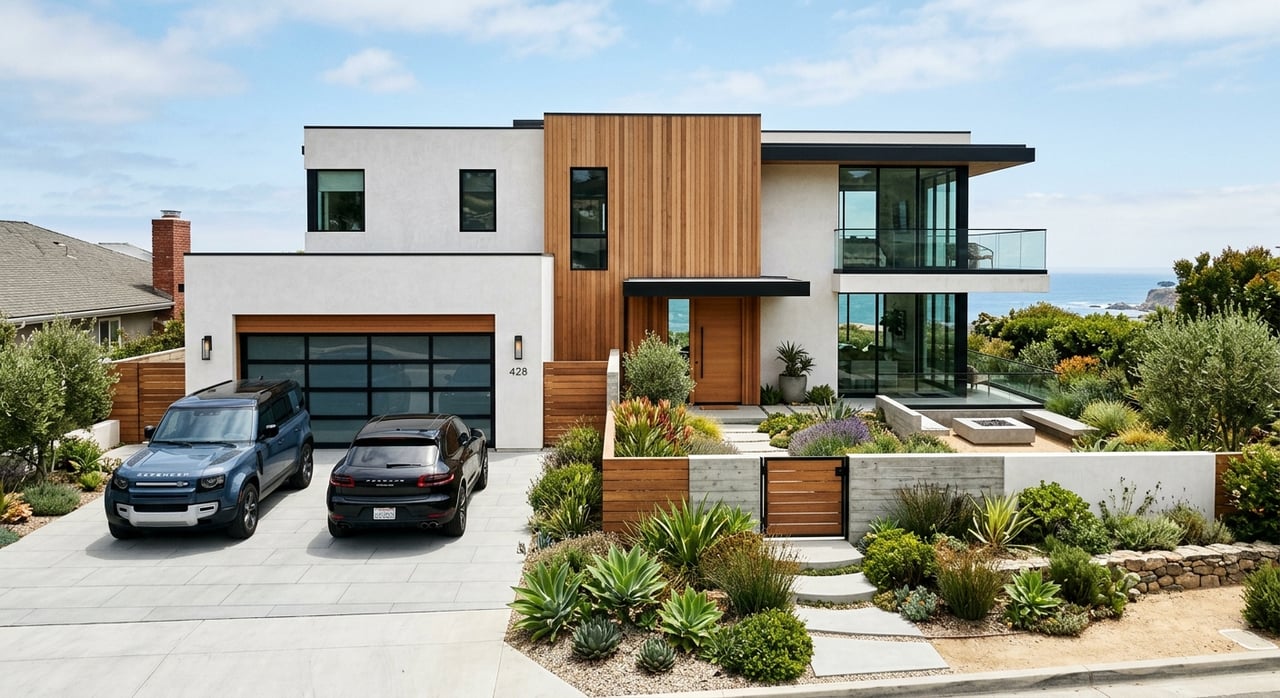
A detached coastal home is often the better choice if you value privacy, outdoor space, view potential, and more control over your property. In La Jolla, those benefits can feel especially meaningful because the landscape changes so much from one street to the next.
The tradeoff is that detached ownership usually comes with a much higher purchase price and more owner responsibility. You gain flexibility and separation, but you also take on more of the upkeep and planning.
More privacy and exclusive space
Detached homes are generally associated with more separation from neighbors and more exclusive open space. For buyers who want a yard, larger patio area, or more room to spread out, that can be a deciding factor.
La Jolla’s bluffs, hillsides, and canyon settings can also make detached homes feel more site-specific. Elevated or bluff-adjacent lots may offer stronger view potential and a greater sense of separation than many attached options closer to the core.
More control, but more responsibility
With a detached home, you are usually not operating within the same type of shared-building structure as a condo owner. That often means more direct control over the property, but also more direct responsibility for upkeep.
For some buyers, that tradeoff is worth it. If you want more say over your outdoor areas, exterior improvements, or how the property functions over time, a detached home may better support those goals.
Coastal exposure can increase upkeep
Owning near the coast can be beautiful, but it can also be harder on a property. Coastal buildings may be exposed to high winds, waves, and floodwater, and salt spray can speed up corrosion of metal connectors and fasteners.
That does not mean you should avoid a coastal home. It means you should go in with clear expectations about maintenance, inspections, and the long-term cost of protecting the property.
Insurance may be more complex
Insurance is another major part of the detached-home decision. The California Department of Insurance states that homeowners policies in California typically exclude flood, mudslide, and similar losses, and flood insurance may need to be purchased separately.
If a property sits in a designated high-risk area, a lender may require flood insurance. Before you commit to a detached coastal home, it makes sense to get insurance quotes early so you can understand the true monthly cost of ownership.
Exterior changes may involve permit review
If you are thinking long term, future improvements should be part of your decision. In the coastal zone, development generally may not begin until a coastal development permit has been issued by the California Coastal Commission or a local government with a certified local coastal program.
Because development is defined broadly, projects beyond brand-new construction can be affected. Additions, grading, decks, or other exterior changes may involve more review than buyers expect.
Walkability versus space
In La Jolla, this is one of the biggest lifestyle tradeoffs. A condo near the Village may put you closer to shops, sidewalks, and the kind of pedestrian-friendly setting many buyers want from coastal living.
A detached home may offer more space, stronger view potential, and more privacy, but sometimes with less of that easy walk-out-your-door convenience. If your ideal day includes strolling to nearby dining or enjoying a more car-light routine, a condo may align better with that vision.
Questions to ask before you tour
The smartest choice usually becomes clearer once you ask the right questions early. Whether you lean condo or detached home, due diligence can save you from surprises later.
Here are some of the most useful questions to bring into your search:
- What do the HOA dues cover?
- Have there been any special assessments?
- What do the CC&Rs say about parking, patios, balconies, and exterior maintenance?
- Is the parking assigned, deeded, or exclusive-use common area?
- What are the current homeowners insurance and flood insurance quotes?
- Is the property in the coastal zone?
- Could future exterior improvements require coastal permit review?
Which option is right for you?
If you want a lower entry price, less direct maintenance, and easier access to walkable parts of La Jolla, a condo may be the stronger fit. You will likely need to be comfortable with HOA dues, HOA rules, and more limited control over some exterior features.
If you want privacy, outdoor space, view potential, and more autonomy, a detached coastal home may make more sense. You should also be prepared for a higher purchase price, more upkeep, possible insurance complexity, and potential permit review for future exterior work.
There is no universal right answer in La Jolla. The best choice is the one that fits your budget, your daily routine, and how hands-on you want to be as an owner.
If you are weighing condos against coastal homes in La Jolla, working with a local team can help you compare the details that matter most. The Joseph Realty Team offers responsive, tailored guidance to help you evaluate property type, location, and long-term fit with more clarity.
FAQs
What is the price difference between a La Jolla condo and a detached home?
- In the May 2026 La Jolla 92037 market update, the median sales price was $1.3275 million for attached homes and $3.4736 million for detached homes.
What does HOA ownership usually mean for a La Jolla condo buyer?
- It usually means you will pay HOA dues, follow community rules, and review the CC&Rs to understand maintenance responsibilities, parking rights, and limits on use.
Why might a condo be a good fit for walkable La Jolla living?
- Condos can work well for buyers who want easier access to pedestrian-friendly areas such as the Village, where shops and everyday destinations may be closer by.
What should you check about parking in a La Jolla condo?
- You should confirm whether parking is assigned, deeded, or exclusive-use common area, since beach-area parking can be limited and ownership rights may not be obvious.
Why might a detached La Jolla coastal home cost more to maintain?
- Detached coastal homes may face more exposure to wind, floodwater, and salt spray, which can increase upkeep needs and affect long-term maintenance planning.
What insurance questions matter for a La Jolla coastal home purchase?
- You should ask for homeowners and flood insurance quotes early, since standard homeowners coverage in California typically excludes flood and similar losses.
Can exterior improvements on a La Jolla coastal home require permits?
- Yes. In the coastal zone, many types of exterior work may require coastal development permit review before work can begin.