Selling a home in San Diego can move fast, but the best results usually start well before your listing goes live. If you are thinking about selling in the next few months, now is the time to get organized, make smart updates, and gather the right paperwork so you are not scrambling later. This checklist will help you focus on the prep work that matters most so you can launch with more confidence and fewer surprises. Let’s dive in.
Why pre-listing prep matters in San Diego
San Diego County homes were going to pending in about 16 days as of April 30, 2026, according to Zillow. That pace means buyers may move quickly once your home hits the market, so your prep work needs to happen before showings begin.
Zillow also notes that most people start thinking about selling 3 to 4 months before they actually list. That timeline gives you room to handle repairs, review records, prepare disclosures, and present your home well without feeling rushed.
Zillow’s 2026 timing analysis also found that San Diego’s strongest listing window was the last two weeks of March, when sellers in the 2025 dataset received a 2.1% sale premium. While every home and timing decision is different, that data shows why planning ahead can matter.
Start with presentation
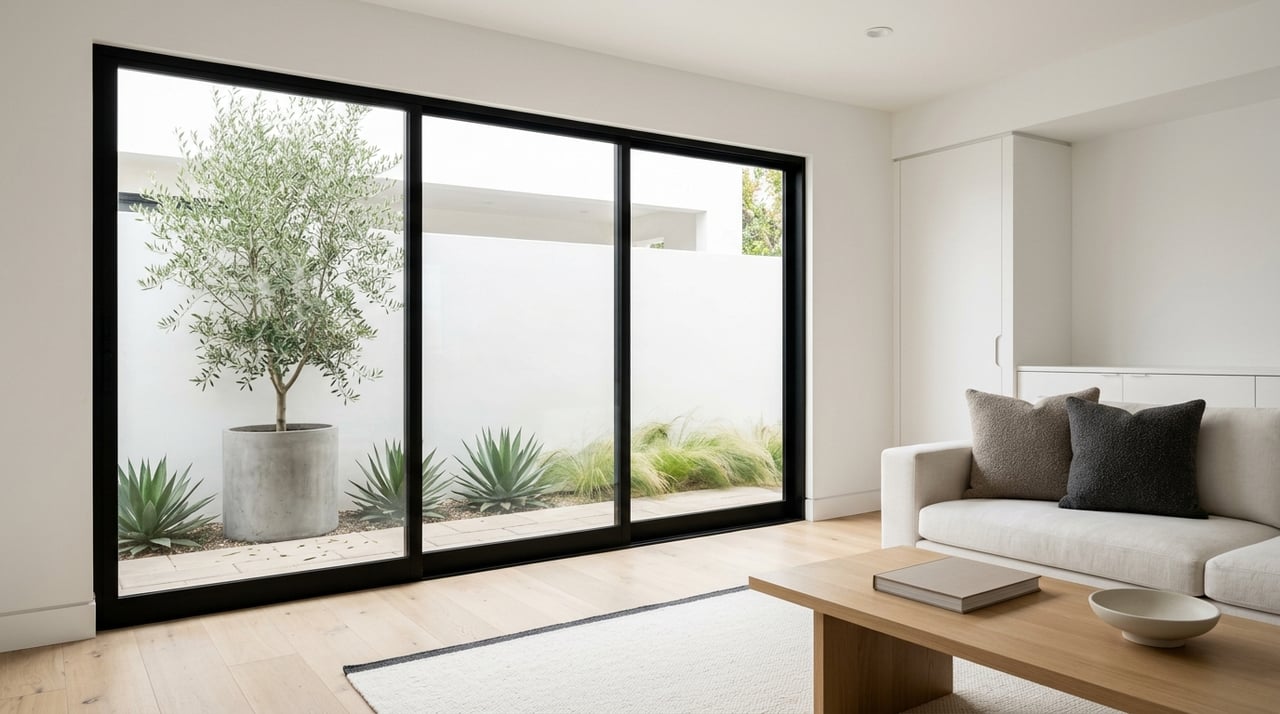
Your first goal is simple: make it easier for buyers to see the home, not your daily life. Clean, open, neutral spaces help people focus on the layout, light, storage, and condition of the property.
According to NAR’s 2025 staging survey, 83% of buyers’ agents said staging made it easier for buyers to visualize a home as a future residence. That does not mean staging guarantees a higher price, but it does support stronger presentation and buyer perception.
Declutter the spaces buyers notice
Clutter can make rooms feel smaller and storage feel limited. Before listing, clear off counters, thin out closets, tidy the garage, and simplify open shelving.
Buyers often open doors, cabinets, and storage areas during showings. When those spaces look organized, your home tends to feel more cared for and easier to understand.
Depersonalize without making it cold
You want buyers to picture themselves in the home. Removing highly personal decor, bold styling choices, and oversized furniture can help rooms feel more open and neutral.
That does not mean stripping out all personality. Instead, aim for a clean, calm look that still feels warm and inviting.
Focus on key rooms first
If you are deciding where to spend time and energy, start with the rooms buyers tend to notice most. NAR’s 2025 survey found that buyers’ agents ranked the living room as the most important room to stage, followed by the primary bedroom and kitchen.
If your schedule or budget is limited, prioritize those spaces first. A polished living room, restful primary bedroom, and clean, bright kitchen can shape the overall impression of your home.
Prepare for photography early
Listing photos are not an afterthought. NAR’s survey found that 73% of buyers’ agents said photos were important or much more important to their clients.
That means your pre-listing checklist should include photo prep well before the photographer arrives. Fresh linens, clear surfaces, open window coverings, and consistent lighting can all help your home show better online.
Make smart cosmetic updates
Not every pre-sale improvement needs to be major. In many cases, the best updates are the low-friction fixes that make your home feel clean, maintained, and move-in ready.
Think paint touch-ups, neutral finishes, updated light fixtures, refreshed cabinet hardware, and cleaned grout or caulk. Small details can send a strong message that the home has been cared for.
Prioritize simple, visible fixes
Before you consider a bigger project, walk through your home with fresh eyes. Look for scuffed walls, burned-out bulbs, loose handles, worn caulking, stained grout, and anything that looks unfinished.
These may seem minor, but buyers notice them. A home that feels maintained often makes a stronger impression than one with a long list of half-done projects.
Be careful with permit-sensitive work
For San Diego sellers, larger improvements should be approached carefully. The City of San Diego says a building permit is required to construct any new structure or improve existing buildings and structures, and the County of San Diego applies building permits to residential and commercial structures in unincorporated areas.
A good rule is to do fast cosmetic fixes first and pause before taking on structural or system-related work. If you are considering changes that affect layout, major systems, or added space, confirm the scope and permit path with a licensed professional before you begin.
Verify past work before listing
If your home has had additions, remodels, or major repairs in the past, review those records early. Buyers may ask whether work was properly permitted and completed.
Checking that history before you list can save time later. It can also help you avoid delays when questions come up during escrow.
Get ahead of inspections and disclosures
One of the smartest things you can do before listing is identify issues before buyers do. That gives you more time to decide what to repair, what to disclose, and how to answer questions with confidence.
NAR’s Consumer Guide on Home Inspections says sellers may choose a home inspection before going on the market so they can better understand the home’s condition, control repairs, and prepare for buyer questions. A typical home inspection reviews areas such as the structure, roof, plumbing, electrical, heating and air conditioning, interiors, insulation, and fireplaces.
Consider a pre-listing inspection
A pre-listing inspection is not required, but it can be useful. If you choose to get one, you may learn about issues early enough to address them on your own timeline instead of under contract pressure.
It can also help you prepare for negotiation. In a market where some buyers may waive inspections, having a clearer picture of condition before launch can still be valuable.
Gather repair records and reports
Before meeting with your agent, pull together any records you already have for major systems or visible repairs. Think roof work, HVAC service, plumbing repairs, electrical updates, or other important maintenance.
Having this paperwork ready can make disclosures easier and reduce last-minute searching. It also helps create a more organized transaction from the start.
Understand California disclosure timing
California disclosure timing matters. Civil Code 1102.3 says the seller must deliver the completed written disclosure as soon as practicable before transfer of title, or before contract execution in certain transactions.
If a disclosure is delivered after an offer is accepted, the buyer gets a short termination window. That is one reason it helps to gather forms, reports, and records early instead of waiting until you are already in escrow.
Know what agents must disclose
The California Department of Real Estate explains that the transfer disclosure statement describes the property’s condition, is not a warranty, and is not a substitute for inspections. The DRE also states that the seller’s agent and any cooperating agent must conduct a reasonably competent and diligent visual inspection and disclose material facts affecting value, desirability, and intended use.
In practical terms, that means it is better to be organized and transparent from the beginning. Clear information can reduce confusion and help your listing move forward more smoothly.
Check San Diego records and hazard information
In San Diego, local records and hazard details can be an important part of pre-listing prep. This is especially true if your home has been remodeled, expanded, or is located in an area affected by wildfire-related rules.
Getting clarity on these items before photography, marketing, and disclosures are finalized can help prevent avoidable issues later.
Review permit history
For properties within the City of San Diego, the Development Services Department keeps building permits, plans, maps, and related records. For unincorporated county properties, San Diego County Planning & Development Services provides public records access, permit-history research, and permit applications.
If your home has had additions, ADU-related work, remodels, patio covers, or major repairs, reviewing permit history early is a smart move. It helps you confirm what was approved and whether records match the home as it exists today.
Verify wildfire and natural hazard details
California natural hazard disclosure law covers hazards that may apply depending on parcel location, including flood areas, floodways, earthquake fault zones, seismic hazard zones, very high fire hazard severity zones, and wildland-fire areas.
For San Diego sellers, wildfire review is especially relevant. CAL FIRE says Local Responsibility Area fire-hazard maps were released in phases through March 24, 2025, and the County notes that a property’s fire-hazard zone may have changed if it is in the San Diego County Fire Protection District and the Local Responsibility Area.
Watch for the added wildfire disclosure
If your home was built before January 1, 2010 and is located in a high or very high fire hazard severity zone, Civil Code 1102.6f requires an additional wildfire disclosure notice. That notice includes fire-hardening items such as ember-resistant vents, noncombustible roof coverings, combustible materials within five feet of the home, single-pane windows, loose or missing flashing, and gutter covers.
This is a good item to verify before your listing packet is assembled. It is much easier to handle wildfire-zone review early than to rush through it after an offer comes in.
Build your timeline backward
A strong pre-listing plan works best when you think backward from your target market date. If San Diego’s strongest listing window tends to arrive in late March, your prep may need to begin months earlier.
That does not mean every seller should list at the same time. It does mean that waiting too long to start repairs, records review, or decluttering can limit your options.
A practical San Diego pre-listing sequence
Here is a simple way to structure your timeline:
- Declutter and depersonalize so the home is easier to show.
- Handle cosmetic fixes like paint touch-ups, lighting, hardware, and caulk cleanup.
- Consider a pre-listing inspection if you want more clarity before launch.
- Gather records and disclosures including repair invoices, prior reports, and known property details.
- Review permit history and hazard information for any additions, remodels, or wildfire-zone questions.
- Finish photo prep and marketing prep only after the home and paperwork are truly ready.
This order helps you avoid doing things twice. It also supports a cleaner launch in a market where homes can move quickly.
Your pre-listing checklist at a glance
If you want a simple version to work from, use this:
- Clear counters, closets, garage areas, and storage spaces
- Remove oversized furniture and highly personal decor
- Focus first on the living room, primary bedroom, and kitchen
- Prepare the home for professional listing photos
- Complete paint touch-ups and other visible cosmetic fixes
- Refresh lighting, hardware, grout, and caulk where needed
- Pause before major work that may require permits
- Check records for additions, remodels, and past improvements
- Decide whether to order a pre-listing inspection
- Gather repair history, maintenance records, and past reports
- Start disclosure paperwork early
- Verify natural hazard and wildfire-zone details
- Build your launch timeline backward from your ideal listing date
Good preparation usually comes down to three things: presentation, paperwork, and timing. When you take care of those pieces before your home hits the market, you put yourself in a better position to show well, answer buyer questions, and move forward with fewer surprises. If you are getting ready to sell and want hands-on guidance tailored to your home and timeline, connect with The Joseph Realty Team.
FAQs
What should I do first when preparing to sell a home in San Diego?
- Start by decluttering, depersonalizing, and identifying easy cosmetic fixes so your home is easier to show and photograph.
How far in advance should I prepare to list my San Diego home?
- Zillow says most sellers start thinking about selling 3 to 4 months before they list, which gives you time to handle repairs, records, disclosures, and presentation.
Does staging help when selling a home in San Diego?
- NAR’s 2025 survey found that 83% of buyers’ agents said staging made it easier for buyers to visualize a home as a future residence, though it does not guarantee a higher offer.
Should I get a pre-listing inspection before selling my San Diego home?
- A pre-listing inspection is optional, but it can help you understand the home’s condition early, plan repairs, and prepare for buyer questions.
What records should I gather before listing a home in San Diego?
- Gather repair history, maintenance records, prior reports, and any available permit or remodel documentation so you are better prepared for disclosures and buyer questions.
Why do permits matter when selling a home in San Diego?
- If your home has had additions, remodels, or other major work, buyers may ask whether the work was approved and completed properly, so reviewing permit history early can help avoid delays.
Are wildfire disclosures important for San Diego home sellers?
- Yes, wildfire and natural hazard disclosures can be important depending on the property location, and some homes built before January 1, 2010 in certain fire hazard zones require an additional wildfire disclosure notice.