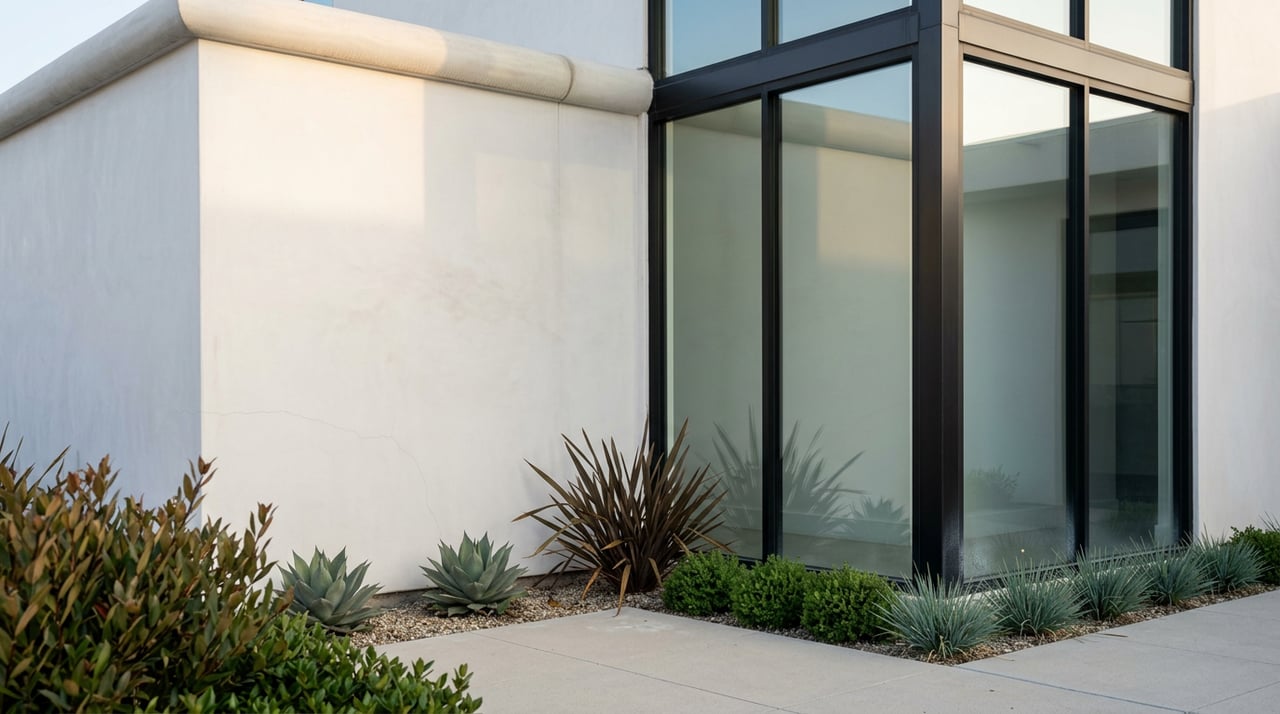
Thinking about selling your La Jolla coastal home and wondering how to command a premium? You are not alone. In a market where many properties list in the multi‑million range, the difference between a good sale and a great one comes down to preparation, precision pricing, and elevated marketing. In this guide, you will learn the exact steps to present, price, and promote your property so it stands out to qualified buyers. Let’s dive in.
La Jolla market snapshot
La Jolla is a high‑end micro‑market with a typical home value around $2.34 million, and many coastal properties trading well above that. Sub‑areas like La Jolla Shores, the Village, the Cove, Bird Rock, and Muirlands have distinct price bands that can vary widely. Well‑positioned listings often move to pending in several weeks to 2 months, with luxury estates taking longer unless they are expertly presented and priced. Your goal is to place your home at the top of its micro‑segment through preparation and marketing.
Prepare for coastal buyers
Stage for views and lifestyle
Staging is not cosmetic, it is strategic. In the National Association of REALTORS® 2025 survey, about 29% of seller agents reported staging boosted offers by 1% to 10%, and nearly half saw shorter time on market. You do not need to stage every room; focus on high‑impact spaces like the living area, kitchen, and primary suite. NAR’s staging report highlights measurable benefits.
Staging tips tailored to La Jolla’s coast:
- Prioritize view corridors. Remove heavy drapes and bulky furniture that block sightlines. Style terraces and decks as usable outdoor rooms.
- Keep the palette neutral. Use light, natural textures that photograph well and complement ocean light. Avoid overt beach themes.
- Prepare outdoor zones. Choose durable, salt‑air‑resistant furniture and light fabrics that stay crisp in photos.
- Stage lifestyle moments. Set a small alfresco dining area, a lounge facing sunset views, or a tidy firepit vignette.
Complete repairs and gather permits
Buyers of premium homes expect transparency and readiness. A pre‑listing inspection lets you address obvious issues early, which reduces renegotiation later. For coastal parcels, organize building permits and any Coastal Development Permits (CDPs) tied to past work, plus approvals or conditions that may affect future projects. The California Coastal Commission’s guidance explains how CDPs and local coastal programs shape what is allowed near the shoreline. Share documentation upfront to build confidence. Review the Coastal Commission’s permit basics.
Prepare required disclosures
In California, you must provide the Transfer Disclosure Statement and, when applicable, the Natural Hazard Disclosure that flags fire, flood, and seismic zones. Delivering these early helps minimize cancellation risk. You can see how these obligations are referenced in the California Residential Purchase Agreement overview hosted on Scribd. Review the California purchase agreement reference and plan your disclosure timeline with your agent.
Build a premium media plan
Use a complete visual stack
Your media must capture the lifestyle, light, and flow that define La Jolla living. A complete package typically includes:
- Professional HDR interior photos and a twilight exterior hero shot to lead the gallery.
- Drone footage for bluff, beachfront, or large lots, captured legally and safely. Commercial drone pilots must comply with FAA Part 107 rules. Confirm your vendor’s license and any local filming permits. Learn the FAA Part 107 requirements.
- A 3D tour and floor plan. These tools help out‑of‑area and second‑home buyers qualify the property before they fly in.
- A short cinematic video, 60 to 90 seconds, that showcases sunrise or sunset vignettes, indoor‑outdoor living, and proximity to the beach.
Create a property website and assets
A dedicated property site centralizes photos, video, 3D, floor plans, and documents. Add measured floor areas, improvement summaries, and a thoughtfully written lifestyle description. Keep captions brief and precise, and lead with your strongest photo to earn clicks on listing portals.
Reach the right buyers
Maximize distribution
Syndication through the MLS will feed the major consumer portals for broad visibility. Optimize the listing remarks with the property’s best features and a link to the property website. Keep private remarks clear for showing instructions and proof‑of‑funds requirements when appropriate.
Tap premium channels
For true luxury inventory, curated placements in high‑net‑worth networks and select lifestyle media can add reach and credibility. National brokerage affiliation can elevate your global footprint for premium listings. Track results by qualified inquiries, private showing requests, and proof‑of‑funds conversions, not just views.
Use targeted digital campaigns
Run geo‑ and interest‑targeted ads on social and video platforms to reach relocation and second‑home audiences. Retarget visitors who engage with your property site or video. Review weekly reports that show cost per qualified lead and showing requests.
Host curated previews
Invitation‑only broker previews and private showings are common at the high end. Set clear criteria for buyer qualifications before scheduling private tours. This protects privacy and keeps the focus on serious prospects.
Price for premium, not just high
Premium pricing starts with segmented comps in your micro‑neighborhood, not town‑wide averages. In La Jolla, view corridors, direct beach access, bluff position, and permitted outdoor improvements can meaningfully change value. A pre‑listing inspection and, in select cases, a pre‑listing appraisal can reduce buyer uncertainty and strengthen your price stance. Your pricing plan should also outline the launch cadence, preview events, offer windows, and how you will respond to early feedback.
Stay compliant with MLS rules
Off‑market or controlled exposure can make sense for select properties, but rules matter. Many MLSs enforce Clear Cooperation policies and limit how long you can publicly market before an MLS entry is required. Get familiar with the broader context in this explainer on Clear Cooperation trends. Read the Clear Cooperation overview.
If you plan to use a Coming Soon status, know that policies vary by association and change over time. Your agent should confirm the local rule set and document your instructions. See an example of how associations post policy updates in the Bay East “What’s New” policy page.
Coastal hazards and disclosures
Sea‑level rise, erosion, and bluff stability are real considerations for coastal parcels. Buyers, lenders, and insurers will ask informed questions, so prepare clear documentation and context.
- Sea‑level rise context. Scripps Institution of Oceanography tracks California sea‑level trends that inform long‑term risk discussions. Share credible background and keep the focus on your parcel’s actual conditions. Review the Scripps sea‑level rise FAQ.
- Coastal permits and protections. If your property has a seawall, revetment, or prior coastal conditions, disclose them and provide records. The California Coastal Commission’s CDP overview explains how approvals and conditions can affect future work.
- Flood maps and insurance. If a lender determines your parcel lies in a Special Flood Hazard Area, flood insurance may be required. High‑value properties sometimes use private policies. You and your agent can check parcel status at the FEMA Flood Map Service Center and include the NHD in your disclosure packet.
- California statutory disclosures. Provide the Transfer Disclosure Statement and the Natural Hazard Disclosure early to reduce cancellation risk. See the California purchase agreement reference for how these fit into the standard process.
Suggested launch timeline
Use this example as a starting point, then tailor to your property and calendar:
- Weeks −4 to −2: Select your agent, complete a comparative market analysis, schedule a staging consult, gather permits and title documents, and order the NHD.
- Weeks −2 to 0: Execute staging, complete professional photography, drone, video, and 3D tour, finalize your property website and marketing plan.
- Day 0: Go live on the MLS, run a broker preview, and launch targeted digital campaigns, subject to local Coming Soon rules and your strategy.
- Weeks 1 to 4: Host qualified showings, run broker outreach, analyze traffic and inquiries, and calibrate negotiations. Luxury listings may run longer by design while sourcing the right buyer.
What to expect from your agent
A premium result in La Jolla is a team effort. Your listing agent should deliver:
- A written marketing plan that details channels, media assets, preview strategy, and timeline, plus a clear fee schedule.
- Full coordination of staging, pro photography, drone (with FAA compliance), 3D tour, and a property website.
- Management of disclosures and pre‑listing documents, including TDS, NHD, permits, and any HOA materials.
- Showing control and buyer qualification that protect privacy and focus time on serious prospects.
- Data‑informed pricing advice, offer strategy, and hands‑on escrow management, including coordination if coastal permits or conditions are involved.
Ready to position your La Jolla coastal home for a premium? With the right prep, precise pricing, and a modern marketing engine, you can attract the most qualified buyers and negotiate from strength.
If you want a tailored plan for your address, connect with The Joseph Realty Team. Our La Jolla‑based team pairs boutique service with national reach to help you sell with confidence.
FAQs
What is the best time of year to list a La Jolla coastal home?
- La Jolla homes can sell year‑round, but many sellers aim for late winter through early summer to capture longer daylight, travel schedules for second‑home buyers, and stronger garden photography.
Do I really need to stage if my home has ocean views?
- Yes. Staging highlights view corridors and indoor‑outdoor flow, which can lift offers and reduce days on market according to NAR’s staging research.
Are drones allowed for real estate marketing in La Jolla?
- Commercial drone work requires an FAA Part 107‑certified pilot and compliance with local rules, and some shoots may need permits if launching or landing in regulated areas; see FAA Part 107 guidelines.
What disclosures do coastal sellers in California need to provide?
- Expect to provide the Transfer Disclosure Statement, Natural Hazard Disclosure, and records of coastal permits or conditions when applicable; see the California purchase agreement reference for how these fit in.
How do sea‑level rise and erosion affect my sale?
- Buyers and lenders consider long‑term coastal risk; prepare parcel‑specific documentation and credible context, such as the Scripps sea‑level rise FAQ, and disclose known conditions or coastal permits early.